

around town: four questions with Sheryl Richard
Updated: 5 days ago
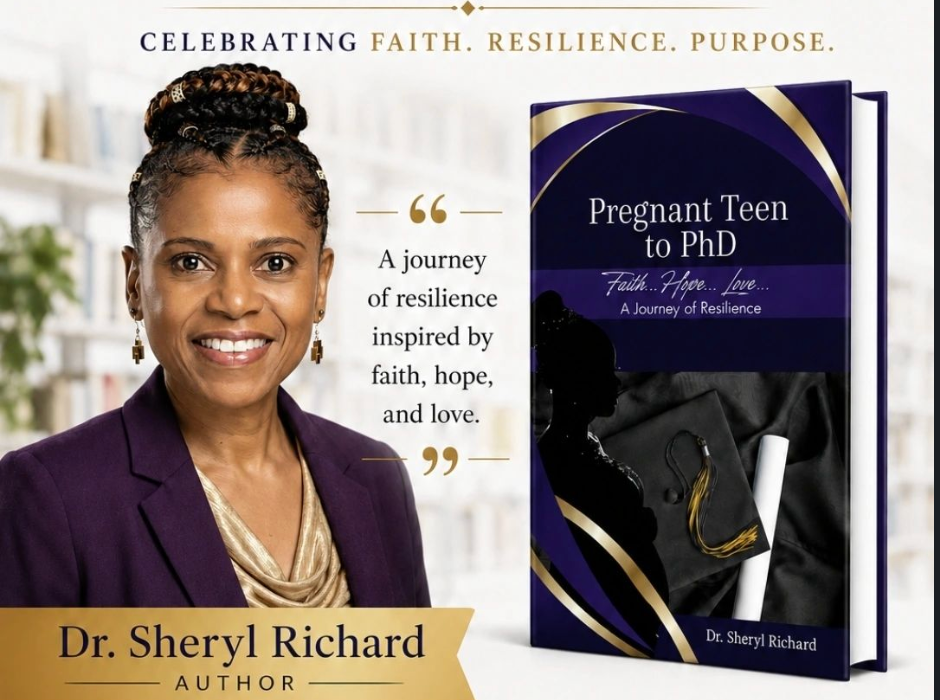
In the book's preface, you discuss how sharing our stories helps us experience empathy, understanding, and hope. As coaches, we often have the privilege of hearing part of our clients’ stories. What are your best practices or guidelines for holding another person’s story with respect and dignity?
Holding another person’s story with respect begins with self-awareness and humility. My memoir reflects how deeply our experiences can influence what we carry, reveal, and understand about ourselves. I remain mindful of my own assumptions, values, and biases so they do not become the lens through which I understand someone else’s story. Instead, I view each person through a lens of love, seeing them as whole, capable, and worthy. I listen with empathy, curiosity, compassion, and care; honor confidentiality; and follow the client’s lead on what they are ready to share and explore. I also recognize their vulnerability, strengths, resourcefulness, and ability to choose their own next steps.
What will coaches learn from reading your memoir?
Coaches will experience resilience through a personal story grounded in faith, hope, and love. As 1 Corinthians 13:13 reminds us, “…and the greatest of these is love.” The memoir also explores difficult choices, perseverance, perfectionism, and what I call the comparison culprit, including the pressure that can come with being perceived as polished or as having it all together. I hope coaches reflect on how they recognize strengths amid challenges, avoid measuring one person’s journey against another’s, and remember that successes and failures may refine us, but they do not define us.
How has writing about this deeply personal part of your life transformed how you carry and share your story now?
Writing the memoir helped me carry my story with greater conviction, intentionality, honesty, gratitude, and grace. For years, I kept parts of my journey private because of shame and fear of judgment and rejection. The vulnerability I struggled to bring forward found its way through the memoir and underlies deeper self-awareness, acceptance, and transformation.
From becoming a mother at sixteen to earning my PhD and beyond, including serving as Walden University’s January 2026 faculty commencement speaker, encouraging students, faculty, and their communities, my journey unfolded through faith, difficult choices, perseverance, and the support of others. I learned that the next step does not require complete certainty. I am leaning into faith and trusting where the journey may lead.
What is one message you’d like to share with our Wellcoaches Community?
Being is one of the most important things we can offer. For me, this is purpose and calling. I am called to be a calm, loving, and reassuring presence, creating warm and welcoming spaces where grace meets people as they are. When I am unsure how to respond or what to do in a given situation, or when love and kindness feel easier said than done, I think about Jesus, my ultimate example of love.
I believe in caring for the whole person and honoring the internal and external resources that support well-being. Health and well-being coaching and mental and emotional therapy have played complementary roles in my healing, growth, and progress. For me, spirituality is also essential. I encourage coaches to remain open to the values, beliefs, relationships, and resources that clients identify as important to their wholeness.
Love is in action. Keep growing and keep going. Bring all of who you are into all of what you do!

Comments